
 1
 0
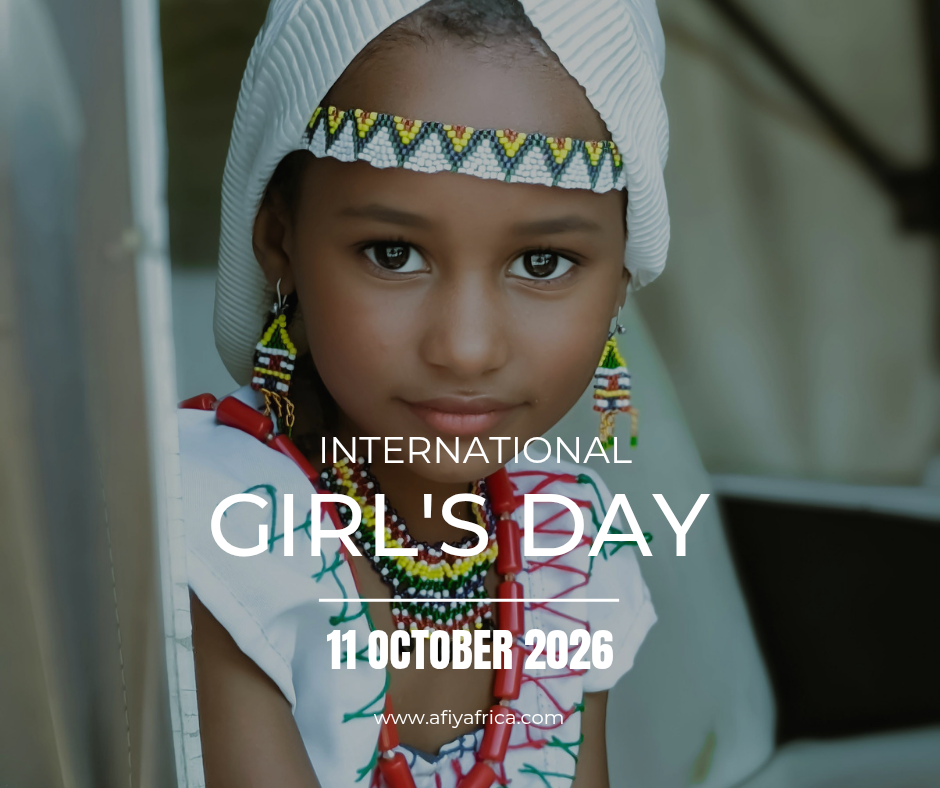
On this October 11, International Day of the Girl Child, one thing is clear: for many African adolescents, health is shaped by what goes unsaid. Here is an overview of the challenges, and of the ways to change the picture.
Imagine a 13-year-old schoolgirl woken one morning by her first period. No one has ever talked to her about it. She feels ashamed and frightened, and there is no suitable sanitary protection and no toilet at school where she can change. She will stay home for a few days. Then, the following month, a few days more. This scene, repeated in many households, sums up what silence costs.
When Periods Keep Girls Out of School
Period poverty is one of the most underestimated barriers to girls’ schooling. When access to water, sanitary products and privacy is lacking, absenteeism sets in, and with it falling behind in class, or even dropping out. What is dismissed as “just a women’s matter” becomes an issue of education, and therefore of the future.
Anemia, the Overlooked Condition
Persistent fatigue, pallor, difficulty concentrating: these signs are often mistaken for laziness. Yet they point to iron deficiency, which is common in adolescence, a period when the body’s needs increase. The good news is that prevention also happens on the plate: leafy greens, beans, fish or meat, served with vitamin C-rich fruit. In several countries, iron and folic acid supplementation programs already exist in schools.
Early Pregnancy: The Body Has Not Finished Growing
Pregnancy during adolescence poses significant risks to both mother and child. It also too often marks the end of a girl’s education. Early marriage, still present in some regions, has the same effect: it closes the door to school and to independence. Specialists agree on what works: age-appropriate sexuality education, real access to information and contraception, and above all keeping girls in school.
Violence: What the Body Remembers
Sexual violence, harassment, female genital mutilation: these harms leave lasting physical and psychological scars. Many countries have outlawed them, but enforcement remains uneven. For an adolescent girl, knowing that her body belongs to her, and knowing which adults or organizations to turn to, can change everything.
HPV: A Vaccine to Prevent a Cancer
This is one of the most encouraging advances. Given before sexual activity begins, the human papillomavirus vaccine protects against the main cause of cervical cancer. More and more African countries are adding it to their vaccination schedules. Parents, teachers and health workers have a key role here: to inform, to reassure, and to get girls vaccinated.
Mental Health: The Forgotten Issue
Family pressure, violence, poverty, loneliness: adolescence can weigh heavily, and the subject remains largely taboo. Yet listening to a young girl without judging her is already an act of care. When sadness lingers, withdrawal sets in or dark thoughts appear, it is time to see a professional.
A Shared Responsibility
No single actor can act alone. Parents need to talk early and simply about the body, periods and consent. Schools need to provide water, clean toilets and health education. Health workers need to offer welcoming, confidential and non-judgmental consultations. The media need to give girls a voice. Decision-makers need to fund school health and enforce the laws that protect girls.
In Conclusion
Investing in a girl’s health means investing in an entire society. An adolescent who is informed, cared for and heard becomes a woman who makes decisions, works and passes on what she has learned. At Afiya for her, we believe no girl should grow up alone with her questions.
Afiya
Team


About Author



OTHER ARTICLES
World Malaria Day: Real Progress, but the Battle Is Far from Over
March 8, 2026 — Women’s Right to Health: A Struggle Still Unfinished in Africa
Editorial — Prevent, inform, and act for women’s health in Africa