

 0
0
 0
0
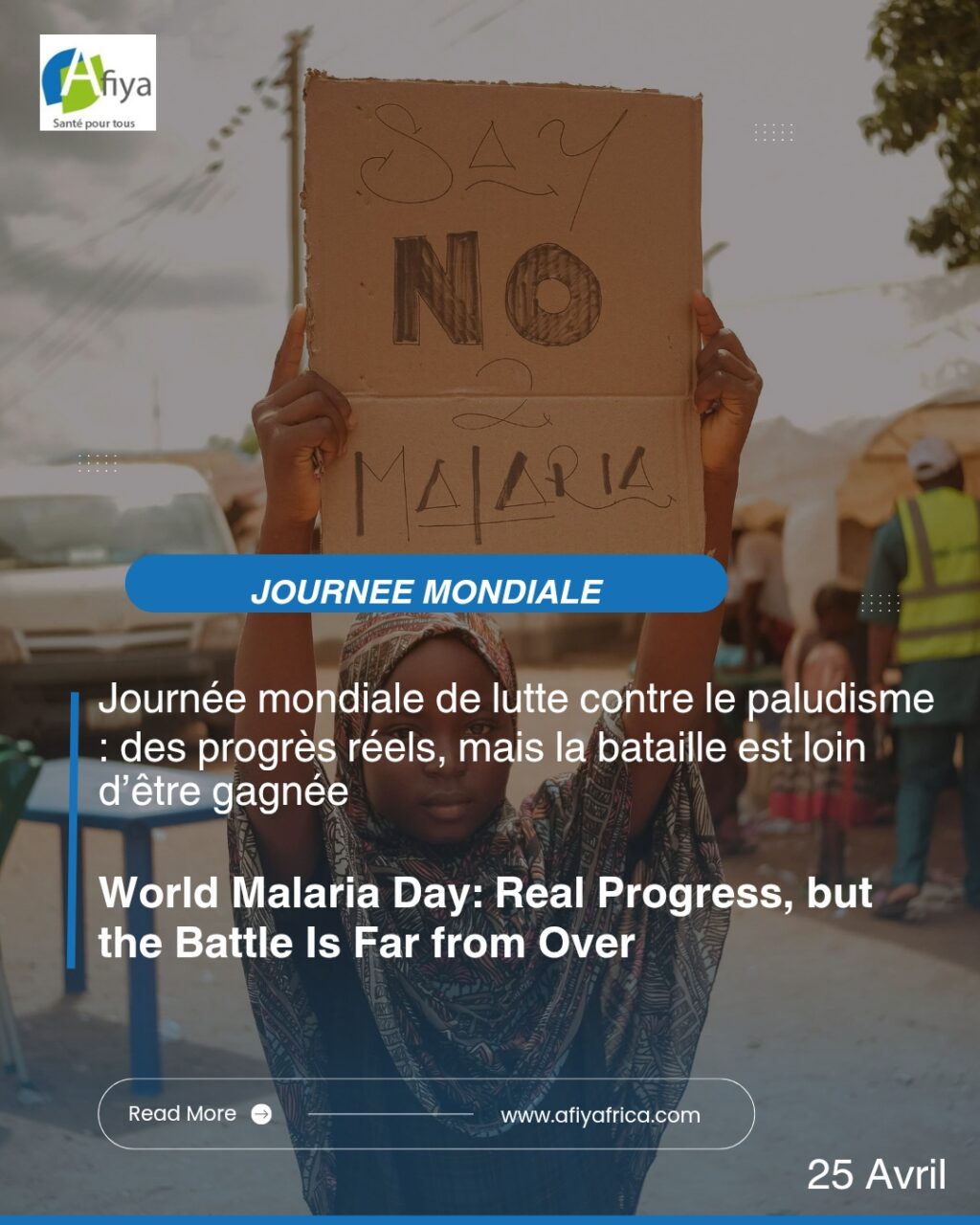
Every year on April 25, the global community marks World Malaria Day. This occasion reminds us that beyond awareness campaigns, malaria remains one of the world’s major public health emergencies, particularly in sub-Saharan Africa, where the vast majority of cases and deaths occur.
As a public health epidemiologist, it is important to highlight a dual reality: on one hand, the progress made over the past two decades has been remarkable; on the other, current challenges require stronger, more innovative, and sustained action.
Major Progress Over the Past Two Decades
The fight against malaria has achieved historic results thanks to proven strategies:
mass distribution of insecticide-treated mosquito nets;
indoor residual spraying campaigns;
improved rapid diagnostic testing;
wider access to artemisinin-based combination therapies;
stronger epidemiological surveillance systems.
These interventions have saved millions of lives, especially among children under five, pregnant women, and rural populations.
In many African countries, malaria mortality has significantly declined compared with the early 2000s. Malaria is no longer a death sentence when diagnosed early and treated effectively.
Vaccination: A Historic Turning Point
One of the most significant recent breakthroughs is undoubtedly the arrival of the first malaria vaccines.
For many years, the biological complexity of the Plasmodium falciparum parasite made vaccine development extremely difficult. Today, two vaccines represent a major scientific achievement:
RTS,S/AS01, the first vaccine recommended for large-scale use;
R21/Matrix-M, more recent, with promising prospects for wider production.
Rolled out primarily for young children in several African countries, these vaccines help reduce severe disease and hospitalizations when combined with other preventive measures.
It is essential to remember that no vaccine replaces mosquito nets, diagnosis, or treatment. Vaccination strengthens the existing arsenal.
Why Malaria Remains a Threat
Despite this progress, malaria continues to kill every year, mainly in Africa. Several obstacles are slowing the fight:
1. Mosquito Resistance to Insecticides
In several regions, mosquitoes are becoming less sensitive to insecticides used in nets or spraying campaigns.
2. Parasite Resistance to Certain Treatments
Warning signs of resistance to antimalarial drugs require continuous vigilance and rapid adaptation of treatment protocols.
3. Inequities in Access to Care
In many remote areas, health centers still lack diagnostic tests, medicines, or trained personnel.
4. Climate Change and Urbanization
Environmental changes may expand mosquito-friendly zones and alter the seasonal pattern of outbreaks.
5. Insufficient Funding
Malaria control requires constant investment. Yet many programs remain underfunded.
What Still Needs to Be Done
To strengthen malaria control efforts, several priorities stand out:
Strengthen Community Prevention
Communities must remain at the center of the strategy: proper mosquito net use, environmental sanitation, and early consultation in case of fever.
Expand Targeted Vaccination
Vaccines must be made accessible to at-risk children in the most affected countries, supported by strong logistics.
Invest in African Research
Africa must generate more scientific data, develop its laboratories, and strengthen surveillance capacity.
Strengthen Health Systems
Strong health systems are essential to detect cases quickly, treat effectively, and prevent deaths.
Secure Sustainable Financing
Malaria will not be defeated through short-term efforts. Stable commitments are needed from governments, partners, and the private sector.
Africa at the Heart of the Solution
Africa bears the greatest burden of malaria, but it also holds many of the solutions: medical innovation, community health workers, researchers, industry leaders, governments, and engaged citizens.
World Malaria Day should not be merely symbolic. It must be a call to accelerate action.
Malaria can be controlled—and eventually eliminated—in many regions. The tools exist. The knowledge exists. What is needed now is political will, resources, and collective perseverance.
The world has made progress against malaria, particularly through modern prevention tools and vaccination. But as long as one child still dies from a preventable and treatable disease, the mission remains unfinished.
This April 25, let us turn scientific success into lasting victories for communities worldwide.


About Author


OTHER ARTICLES
Virchow Prize 2026: Jean-Jacques Muyembe and the Rise of African Scientific Excellence
Éditorial : African Girls’ Health: Breaking the Silence
Kenya Confirms First Imported Case of Bundibugyo Ebola Virus Disease