
 0
 0
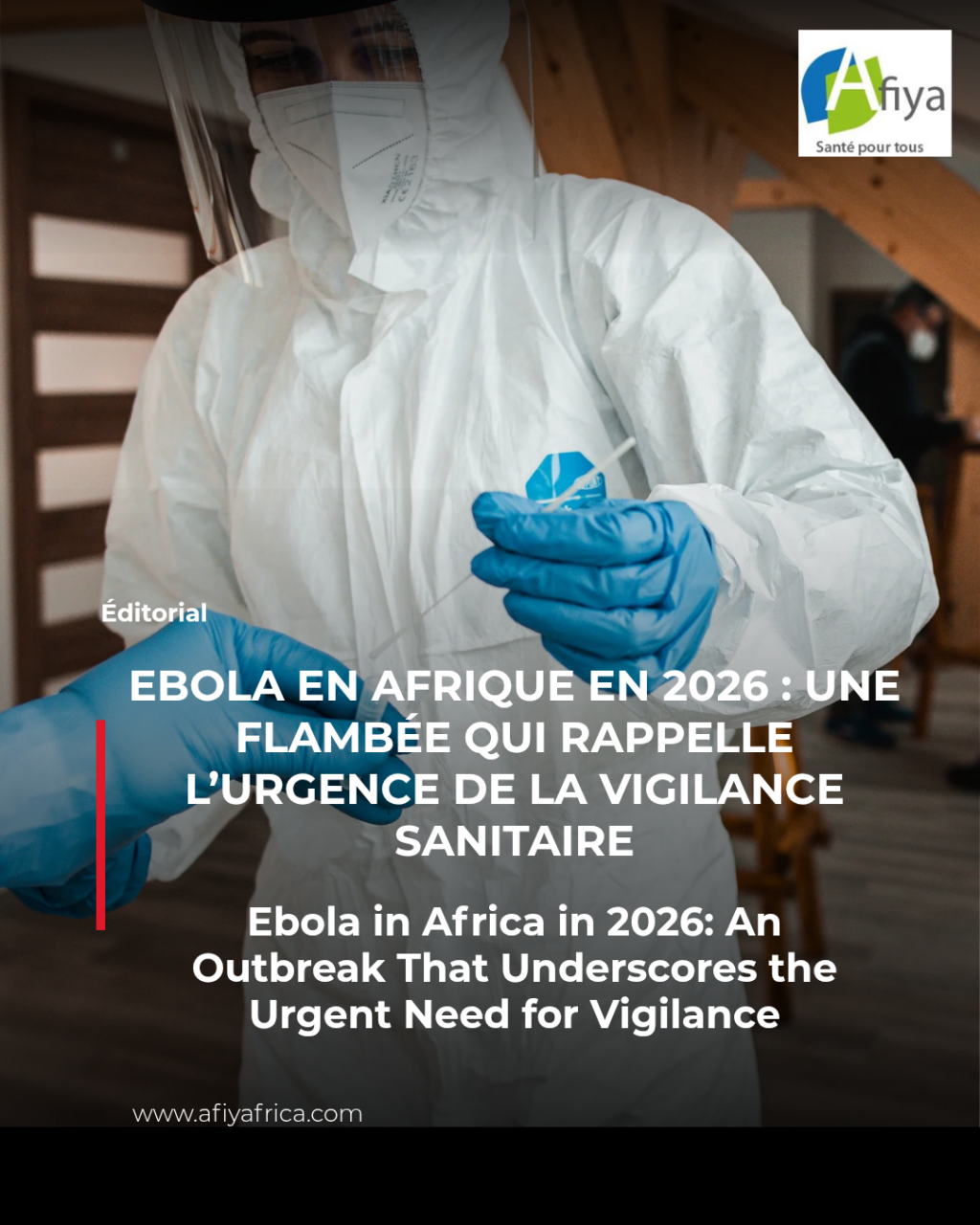
Ebola in Africa in 2026: An Outbreak That Underscores the Urgent Need for Vigilance
The Bundibugyo virus disease outbreak, which is affecting the Democratic Republic of the Congo and spreading to other countries, has become one of Africa’s major public health challenges in 2026. The detection of imported cases in Kenya and Nigeria highlights the importance of epidemiological surveillance and regional cooperation.
2026: An Outbreak Spreading Beyond Its Initial Focus
The current outbreak, which began in May 2026 in the Democratic Republic of the Congo (DRC), is caused by the Bundibugyo virus, a member of the Ebolavirus genus. It has gradually spread to several provinces in the DRC, before cases were identified in other countries.
According to the World Health Organization’s report published on October 23, as of October 20, 2026, the DRC had recorded 9,704 confirmed cases and 4,687 confirmed deaths, across 66 health zones in eight provinces. Transmission remains active, particularly in Ituri and North Kivu.
Uganda, which was also affected earlier in the year, declared the end of its outbreak on August 27, following the absence of new cases throughout the required surveillance period. However, the virus did not stop circulating at the country’s borders.
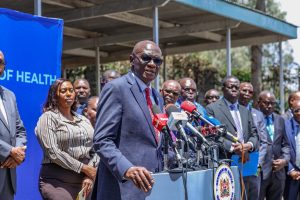
In October, Kenya reported nine confirmed cases linked to an initial imported case from the DRC via Uganda. Two deaths had been reported in the information available as of October 23, while health authorities continued monitoring contacts. In Nigeria, the first imported case was confirmed in Abuja on October 20 in a person who had travelled from Uganda. At that time, 44 contacts had been identified and were being monitored.
These developments highlight the risk of cross-border transmission and the need to strengthen alert systems, diagnostic capacity and patient care. However, they do not mean that all the countries concerned are experiencing widespread community transmission.
West Africa Faces Renewed Vigilance
For West Africa, the confirmation of a case in Nigeria is a signal that deserves particular attention. Health authorities must maintain active surveillance, strengthen infection prevention and control in healthcare facilities, and ensure transparent communication with the public.
For Benin and its neighbours, the challenge is to prepare without causing panic: train medical teams, establish clear referral pathways for suspected cases, maintain up-to-date protocols and coordinate information-sharing with neighbouring countries.
An important scientific distinction must also be made: vaccines and specific treatments available for Ebola virus disease caused by the Zaire virus are not automatically effective against the Bundibugyo virus. As of October 23, 2026, no vaccine or specific treatment had been licensed for this form of the disease, and a Phase 2/3 vaccine trial had recently been launched in the DRC.
Acting Before It Is Too Late
The evolution of the outbreak in 2026 demonstrates that public health preparedness cannot be improvised once the first cases emerge. It requires sustained investment in healthcare systems, protected healthcare workers, functional laboratories and regional cooperation capable of responding rapidly.
The priority is therefore twofold: contain active outbreaks and prevent new chains of transmission, while maintaining public trust through reliable and accessible information.
Ebola in 2026 is not just an emergency for the countries directly affected. It is a reminder to the whole of Africa that, in the face of infectious diseases, vigilance, solidarity and preparedness remain our strongest weapons.
Main sources:
– World Health Organization (WHO), “Epidemiological update, October 23, 2026” (https://www.who.int/emergencies/disease-outbreak-news/item/2026-DON622).
– European Centre for Disease Prevention and Control (ECDC), “Multi-country Ebola outbreak, 2026” (https://www.ecdc.europa.eu/en/ebola-disease-multi-country-outbreak-2026).


About Author


OTHER ARTICLES
Virchow Prize 2026: Jean-Jacques Muyembe and the Rise of African Scientific Excellence
Éditorial : African Girls’ Health: Breaking the Silence
World Malaria Day: Real Progress, but the Battle Is Far from Over