
 0
 0
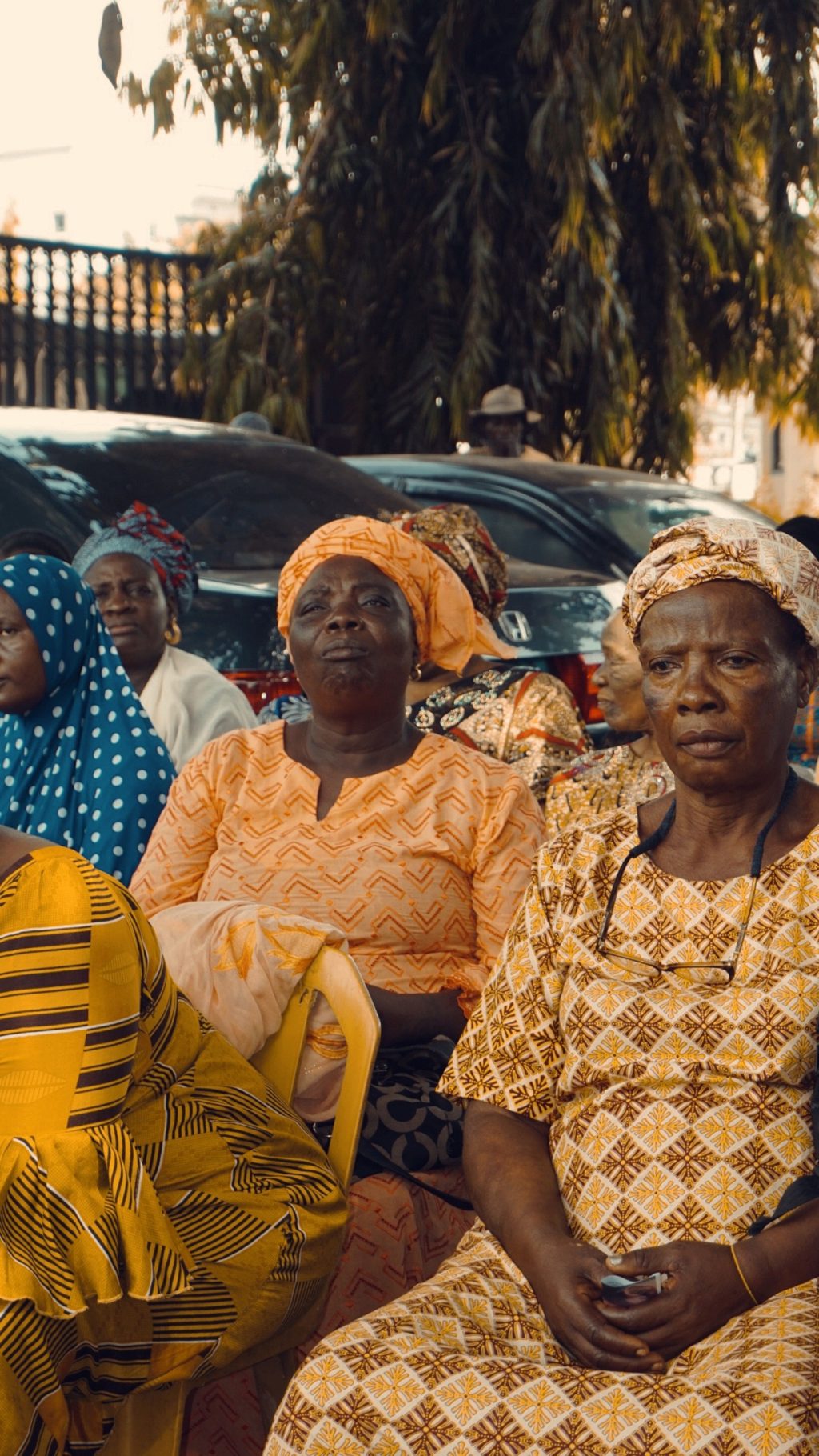
In the Democratic Republic of the Congo (DRC), women account for more than half of those affected by Ebola. Exposed to the virus in their homes, healthcare facilities and communities, they remain insufficiently represented in decision-making and outbreak response mechanisms. In response, UN Women is calling for women’s protection, leadership and participation to become central pillars of the fight against the epidemic.
When an epidemic strikes a community, the risks are not always equally distributed. In the Democratic Republic of the Congo, the Ebola outbreak has highlighted the particular vulnerability of women, whose roles in household care and community support expose them to a greater risk of infection.
On November 17, 2026, in Kinshasa, UN Women, in collaboration with the Congolese Ministry of Health and several partners, brought together private-sector representatives to discuss a key priority: strengthening an Ebola response that fully takes gender-related realities into account.
The figures highlight a concerning situation. In September 2026, women accounted for 54% of reported Ebola cases. This proportion underscores the need to rethink prevention and protection strategies to better address the risks they face.
Ebola in the DRC: Women Account for 54% of Those Affected
Data presented by UN Women reveal that women have been particularly affected by the outbreak. In September 2026, they represented 54% of people affected by Ebola in the DRC.
This situation can partly be explained by their central role in everyday caregiving activities and in supporting sick family members.
In many households, women are responsible for caring for relatives when they fall ill. They look after children and older people, prepare meals and provide essential assistance to their families.
During an epidemic, however, these activities can increase contact with infected individuals and with contaminated objects or bodily fluids.
Female healthcare workers are also particularly exposed. Nurses, nursing assistants and other frontline health professionals play an essential role in caring for patients, often under difficult conditions.
This reality highlights how gender inequalities can become additional risk factors during infectious disease outbreaks.
How Social Inequalities Increase Health Risks
Women’s exposure to Ebola cannot be understood solely from a medical perspective. It is also rooted in an environment shaped by pre-existing social, economic and humanitarian inequalities.
In the DRC, armed conflicts and population displacement further weaken communities. Women and girls often have to take on greater family responsibilities while facing difficulties accessing resources, healthcare services and protection mechanisms.
The consequences of an epidemic also extend beyond the risk of infection.
Disrupted economic activities, loss of income, difficulties accessing maternal and reproductive healthcare, and increased risks of gender-based violence can further deepen the vulnerability of women and girls.
Another contradiction remains: those who are particularly exposed to the disease are not always sufficiently represented in decisions concerning the public health response.
For UN Women, this situation must change.
UN Women Calls for Women to Be Placed at the Centre of the Ebola Response
During the meeting held in Kinshasa on November 17, UN Women advocated for an approach to combating Ebola that goes beyond medical interventions alone.
The organization is calling for a response that takes into account the specific needs of women and girls, while also recognizing their expertise and capacity to lead action within their communities.
The objective is twofold: to better protect women from the risk of infection and to give them the means to actively participate in breaking chains of transmission.
This approach is based on several priorities:
– Strengthening women’s participation in outbreak response decision-making and coordination mechanisms.
– Supporting local and national organizations led by women.
– Improving access to information and prevention resources for women and girls.
– Maintaining maternal and reproductive healthcare services during the outbreak.
– Strengthening the prevention of and response to gender-based violence.
– Developing funding mechanisms that address the specific needs of women and communities.
The organization also emphasizes the importance of collecting data disaggregated by sex, age and disability to better identify vulnerable populations and adapt public health interventions.
Private Sector Called Upon to Strengthen the Fight Against Ebola
The November 17 meeting in Kinshasa also aimed to mobilize businesses and economic stakeholders in support of the outbreak response.
Organized with the Ministry of Public Health, Hygiene and Social Welfare, the United Nations Global Compact Network in the DRC and OCDD, the initiative seeks to encourage financial, material and technical contributions from the private sector.
Businesses can support prevention initiatives, awareness campaigns and community-based interventions.
Such mobilization is particularly important for women’s organizations working directly with affected populations, which often operate with limited resources.
The challenge is to ensure that funding reaches frontline organizations, particularly those led by women, so they can continue their awareness-raising, support and protection activities.
An effective response requires collective action involving health authorities, humanitarian partners, businesses and communities.
Protecting Women Also Means Protecting Communities
In the fight against Ebola, women should not be viewed solely as vulnerable individuals in need of protection. They are also essential actors in prevention and community response efforts.
Their close relationships with families, knowledge of local realities and involvement in solidarity networks can help improve the flow of information and encourage the adoption of preventive measures.
When women have access to the necessary knowledge, resources and protective equipment, they can actively contribute to awareness campaigns, guide people experiencing symptoms towards healthcare services and share public health information.
However, this participation must be supported by concrete safeguards: appropriate training, protective equipment, access to healthcare, financial support and involvement in decision-making.
The aim is not to transfer additional responsibilities to women without providing the necessary resources, but to recognize their role and enable them to act safely.
An Ebola Response That Must Also Advance Women’s Health
The Ebola outbreak in the DRC highlights a fundamental reality: health crises often amplify inequalities that already exist within societies.
For women, the consequences can be far-reaching: increased exposure to the virus, heavier family responsibilities, economic insecurity and reduced access to essential services.
Integrating a gender perspective into the public health response is therefore not a secondary consideration. It is an important condition for building a more inclusive prevention strategy that reflects the realities of affected communities.
The fight against Ebola cannot be sustainable without women’s full participation, the protection of female healthcare workers and support for organizations working every day with communities.
Protecting those who care for others, giving them the resources to act and ensuring they have a voice in decision-making are also ways of strengthening an entire community’s ability to respond to an epidemic.
For Afiyafrica, this crisis reinforces a fundamental belief: women’s health cannot be separated from public health. Protecting women, listening to them and recognizing their leadership are essential to building fairer, more inclusive and more resilient African healthcare systems.
Afiyafrica – Revealing, celebrating and amplifying the light of healthcare in Africa.


About Author


OTHER ARTICLES
16 Days of Activism Against Gender-Based Violence: Making Justice and Survivor Protection a Priority
Antimicrobial Resistance: After Awareness Week, Why Africa Must Turn Awareness into Lasting Action
Zambia Launches 2026 world antimicrobial resistance awareness week