
 0
 0
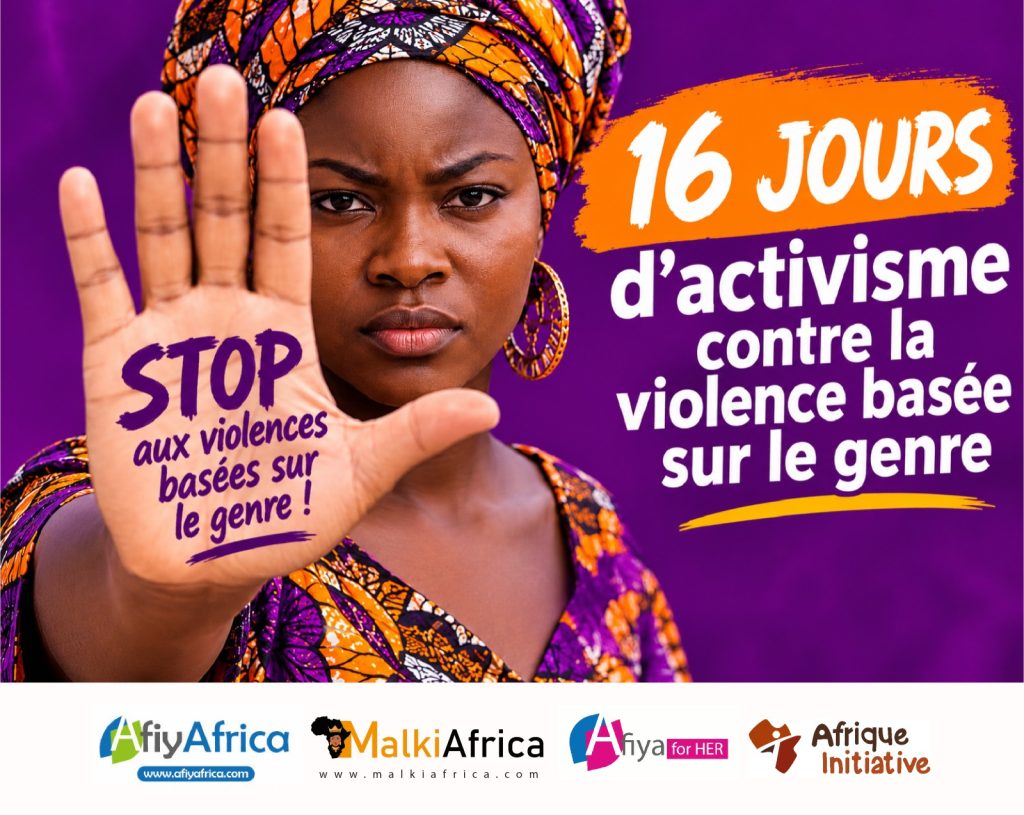
From 25 November to 10 December 2026, the international community comes together for the 16 Days of Activism Against Gender-Based Violence. This year’s global campaign, under the theme “UNiTE to End Violence Against Women and Girls: Ensure Justice, Protect Survivors, End Impunity”, calls for stronger prevention efforts, better access to justice and comprehensive support for survivors. It is a challenge that concerns families, institutions, communities and healthcare systems alike.
Gender-based violence is neither an isolated issue nor simply a private matter. It is a violation of human rights, a major public health concern and a significant barrier to gender equality.
Physical, sexual, psychological and economic abuse, child and forced marriage, female genital mutilation, harassment and digital violence: these forms of violence differ, but their consequences can be profound and long-lasting.
Beginning on 25 November, the International Day for the Elimination of Violence Against Women, and ending on 10 December, Human Rights Day, the 16 Days of Activism campaign calls on governments, organisations, professionals and individuals to strengthen their efforts to prevent and end violence against women and girls.
For the 2026 edition, the global message is clear: ensure justice, protect survivors and end impunity.
Millions of women and girls continue to experience violence
The figures highlight the scale of the problem. According to global estimates from the World Health Organization (WHO), approximately 840 million women and girls, or nearly one in three, have experienced physical and/or sexual violence by an intimate partner or sexual violence by another person during their lifetime.
Adolescent girls also require particular attention. According to the new estimates highlighted by WHO for the 2026 campaign, nearly one in three girls aged 15–19, representing approximately 43 million adolescents worldwide, have experienced physical or sexual violence in the contexts covered by the estimates.
These figures show that violence can begin early in life, affecting girls’ education, health, social relationships and future opportunities.
Across Africa, the situation varies between countries and communities. Intimate partner violence, sexual assault, child marriage, female genital mutilation and other discriminatory practices continue to threaten the safety and autonomy of many women and girls.
Fear of retaliation, economic dependence, stigma and harmful social norms can also prevent survivors from seeking help or reporting abuse.
Gender-based violence: A public health emergency
The consequences of violence go far beyond visible injuries. They can have lasting effects on survivors’ physical, sexual and reproductive health, as well as their psychological well-being.
Violence can lead to physical trauma, unintended pregnancies, sexually transmitted infections, chronic pain, gynaecological complications, anxiety, depression and post-traumatic stress disorder.
For adolescent girls, the consequences may affect their development, education, self-confidence and ability to build healthy relationships.
Healthcare facilities play a critical role in responding to these situations. For some survivors, a health centre may be the first place where they can be heard, receive medical attention and be referred to protection services.
The healthcare response must go beyond treating physical injuries. It requires compassionate listening, confidentiality, appropriate medical care, psychological support and referral to available social and legal services.
Ensuring justice and protecting survivors: The central message of 2026
This year’s campaign highlights three interconnected priorities.
Ensuring justice means allowing women and girls to report violence safely, access legal assistance and benefit from appropriate investigations and judicial procedures. Laws must be effectively enforced, and barriers to reporting must be addressed.
Protecting survivors means providing accessible and coordinated services, including healthcare, psychosocial support, safe accommodation, legal assistance and protection from retaliation. Survivors must be listened to without judgment, and their choices must be respected.
Ending impunity requires perpetrators to be held accountable and institutions to fulfil their responsibilities. Silence, the normalisation of abuse and victim-blaming all contribute to the continuation of violence.
These three priorities must go hand in hand: justice cannot be achieved without protection, and protection cannot be sustainable without prevention and accountability.
Digital spaces: An increasingly important dimension of gender-based violence
Violence against women and girls is no longer confined to physical spaces. Online harassment, threats, blackmail, the non-consensual sharing of intimate images, identity theft and certain forms of digital surveillance can have serious consequences.
Digital violence can extend abuse that is already taking place offline, or become a form of control and intimidation in its own right.
Adolescent girls and young women are particularly exposed to certain risks associated with social media and digital technologies. Prevention efforts must therefore include digital literacy, platform accountability and effective reporting and protection mechanisms.
Preventing violence is everyone’s responsibility
The fight against gender-based violence cannot be left to survivors or specialised organisations alone. It requires sustained commitment from families, communities, schools, healthcare professionals, the media, justice systems and public authorities.
This means taking concrete action to:
– Educate girls and boys about respect, equality and consent.
– Challenge social norms that justify or normalise violence.
– Strengthen women’s economic and social empowerment.
– Train healthcare professionals, law enforcement officers and judicial personnel to support survivors appropriately.
– Ensure access to confidential, safe and survivor-centred services.
– Support organisations working with women and girls.
– Strengthen law enforcement and protection mechanisms.
Men and boys also have a crucial role to play by rejecting violent behaviour, challenging harmful gender stereotypes and promoting relationships based on respect and equality.
Sixteen days of activism, 365 days of action
The 16 Days of Activism provide an important opportunity for global mobilisation. However, the fight against gender-based violence cannot be limited to an annual campaign.
Behind every statistic is a person whose safety, health, dignity and future have been affected. Every report taken seriously, every survivor supported, every child protected and every act of violence prevented represents meaningful progress.
In Africa and around the world, the challenge is to turn commitments into effective policies, laws into real protection and awareness campaigns into lasting social change.
No woman should have to choose between her safety, freedom and dignity. No girl should grow up in fear. Ensuring justice, protecting survivors and ending impunity: this fight starts now, and it concerns us all.


About Author




OTHER ARTICLES
Antimicrobial Resistance: After Awareness Week, Why Africa Must Turn Awareness into Lasting Action
Zambia Launches 2026 world antimicrobial resistance awareness week
Morocco: Dakhla Inaugurates a Landmark University Hospital Complex to Strengthen Healthcare in Africa