

 0
 0
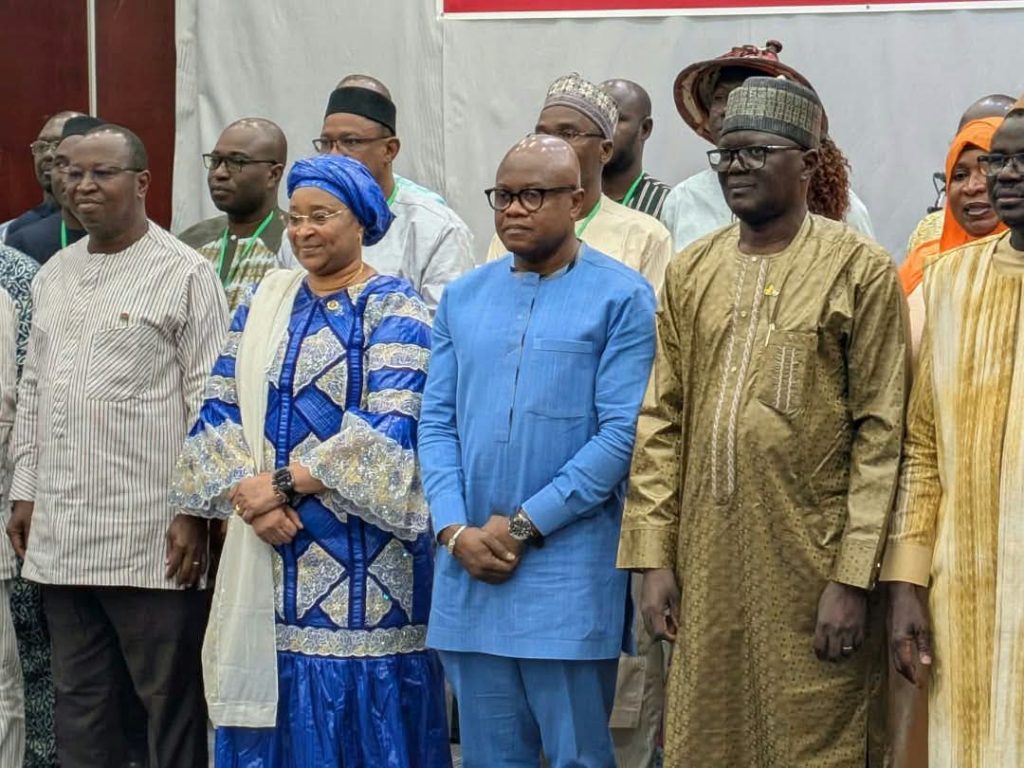
Health ministers from Burkina Faso, Mali and Niger met in Ouagadougou on 25 November 2026 to strengthen health cooperation within the Confederation of Sahel States (AES). Disease surveillance, coordinated responses to health emergencies and joint procurement of medical supplies were among the key priorities discussed during the ministerial meeting.
Health cooperation between the countries of the Alliance of Sahel States is entering a new phase. On Wednesday, 25 November 2026, the health ministers of Burkina Faso, Mali and Niger gathered in Ouagadougou for a ministerial meeting focused on harmonising health strategies across the Confederation of Sahel States (AES).
Mali was represented by Colonel Doctor Assa Badiallo Touré, Minister of Health and Social Development. The meeting followed preparatory discussions held by technical experts from the three countries between 23 and 25 November.
The main objective was to review and validate the second-year deliverables of AES health cooperation and identify the next priorities for strengthening regional collaboration.
Three priorities for a coordinated regional health response
Ministerial discussions focused on three major areas of cooperation.
The first priority is integrated disease surveillance and coordinated response mechanisms. In a region where epidemics and public health emergencies can rapidly cross national borders, stronger surveillance systems are essential. Sharing information, detecting health threats early and coordinating interventions can improve the ability of countries to anticipate and manage health crises.
The second priority concerns the harmonisation of joint procurement strategies for health products. By pooling resources and coordinating procurement processes, the three countries aim to strengthen their supply capacities and improve access to medicines, medical devices and other essential health products.
Joint procurement may also help optimise available resources and address some of the supply challenges facing national health systems.
The third area of discussion focused on consolidating strategic documents to be submitted to the Confederation’s decision-making bodies, providing a framework for the next stages of regional health cooperation.
Pooling resources to address the Sahel’s health challenges
For Burkina Faso, Mali and Niger, this ministerial meeting reflects a shared commitment to strengthening solidarity and coordination in a critical sector: healthcare.
The three countries face several common public health challenges, including infectious disease surveillance, epidemic prevention, access to essential medicines and the need to improve healthcare delivery.
In this context, regional cooperation offers an opportunity to coordinate responses more effectively, share technical expertise and make better use of available resources.
Joint procurement is particularly relevant for health systems facing financial and supply constraints. If supported by effective operational mechanisms, it could contribute to more reliable access to essential medical products and reduce supply disruptions.
A common roadmap under development
At the end of the discussions in Ouagadougou, the three health ministers signed a joint document outlining the conclusions of the meeting and the agreed directions for health cooperation within the AES.
This document represents an important step in the process of aligning health policies across the three member states.
The next stage is scheduled for December 2026 and is expected to involve the official signing of commitments by the three countries. This step should help clarify how the agreed priorities will be implemented and translated into practical measures.
Regional health cooperation: A commitment that must benefit communities
Beyond institutional meetings and policy discussions, the ultimate objective is to improve health outcomes for people across the Sahel.
The success of this regional cooperation will depend on its ability to deliver tangible results: stronger disease surveillance, faster responses to health emergencies, more reliable supplies of essential medicines and more equitable access to healthcare services.
Harmonising health strategies therefore represents an opportunity to strengthen the collective capacity of the health systems of Burkina Faso, Mali and Niger.
Within the AES, health is emerging as an important area of regional cooperation. The next challenge will be to turn shared commitments into sustainable mechanisms that respond effectively to the needs of communities and the public health challenges facing the Sahel.


About Author



OTHER ARTICLES
Ivory Coast : CNRAO Places Palliative Care and Patient Support at the Heart of Cancer Treatment
16 Days of Activism Against Gender-Based Violence: Making Justice and Survivor Protection a Priority
Zambia Launches 2026 world antimicrobial resistance awareness week