

 0
0
 0
0
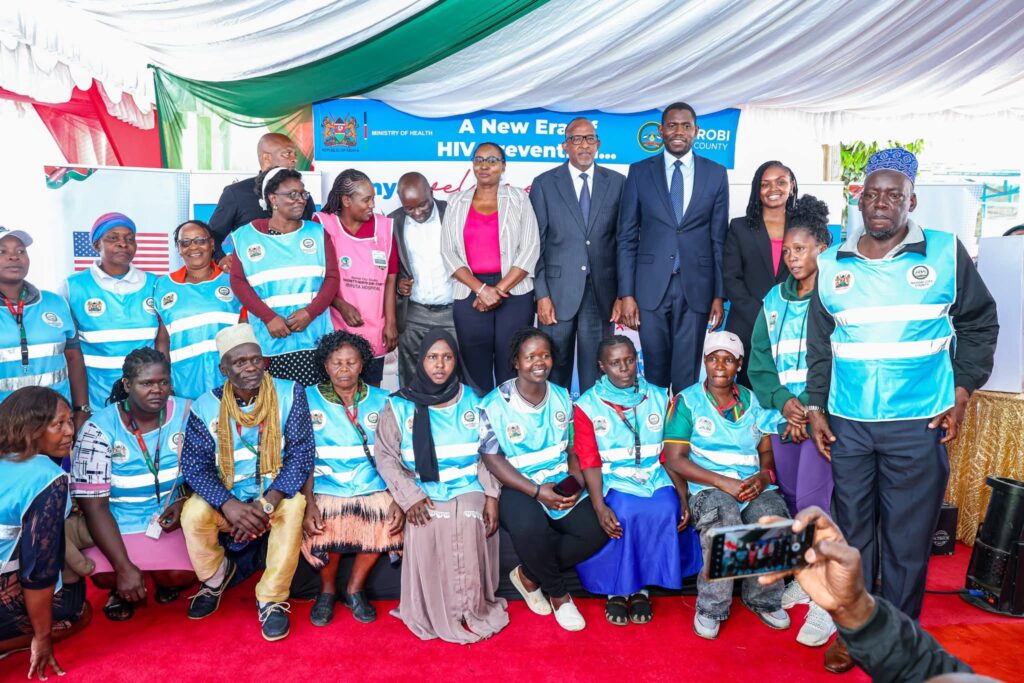
The Government has reaffirmed its commitment to improving maternal and newborn health outcomes while strengthening the community health workforce as part of ongoing efforts to advance Universal Health Coverage (UHC).
Speaking in Nairobi, Cabinet Secretary for Health Hon. Aden Duale underscored that reducing maternal and newborn mortality remains a national priority, calling for enhanced investment in community-level facilities to ensure timely access to specialised care. He recommended that key health centres, including Riruta Health Centre, be fully equipped with functional theatres to support safe deliveries and emergency obstetric services closer to communities.
The CS emphasised that strengthening frontline services is critical to preventing avoidable maternal deaths and improving the quality of care for mothers and newborns across the country. He noted that accessible, well-equipped facilities will ease pressure on referral hospitals while ensuring timely life-saving interventions at the primary care level.
To reinforce accountability and patient safety, the Ministry of Health has dispatched a team of health practitioners to investigate the recent death of an expectant mother at St. Elizabeth Mukumu Mission Hospital in Kakamega County. A dedicated toll-free hotline is also being established to enable the public to report incidents of health negligence across medical facilities, enhancing oversight and responsiveness within the health system.
In a major boost to community health services, Hon. Duale announced that from 1 July 2026, 107,000 Community Health Promoters (CHPs) will receive comprehensive medical insurance covering primary healthcare, laboratory tests and specialised treatment. The scheme will be financed through a 50:50 cost-sharing arrangement between national and county governments.
The initiative is expected to improve the welfare and motivation of CHPs while strengthening their role in delivering preventive and promotive health services at household level. It will also standardise stipends and improve working conditions, positioning CHPs as a central pillar in early detection of maternal risks, community education and linkage of expectant mothers to skilled care.


About Author




OTHER ARTICLES
Ten ambulances and medical equipment strengthen emergency care in The Gambia
Afiya List 2025 : 25 personalities who made an impact on health in Africa in 2025
World Malaria Day: Real Progress, but the Battle Is Far from Over