
 0
0
 0
0
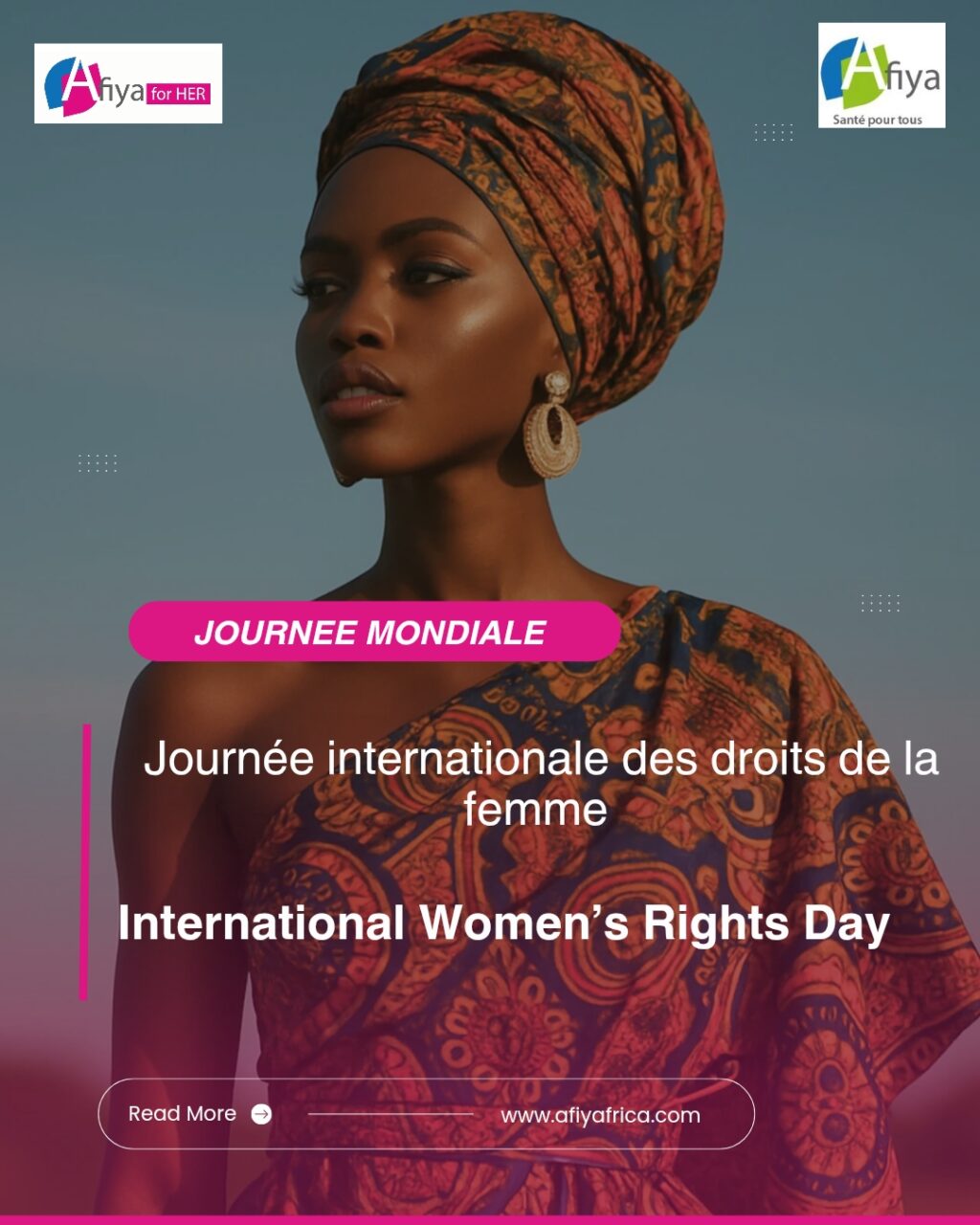
Every year on March 8, the International Women’s Day is celebrated worldwide as a moment to recognize the progress made toward gender equality. Yet beyond speeches and commemorations, a persistent reality remains in many parts of the world—particularly in Africa: the fundamental right of women to health is still fragile, sometimes denied, and often conditional.
Health is a universal human right. It should not depend on gender, age, or social status. However, for millions of African women, accessing healthcare remains a difficult journey marked by numerous barriers: financial constraints, long distances to health facilities, restrictive social norms, and in some contexts the implicit or explicit requirement to obtain permission from a man—husband, father, or guardian—before seeking medical care.
A Recognized Right Still Obstructed
International frameworks are clear. The Convention on the Elimination of All Forms of Discrimination Against Women (CEDAW) affirms women’s right to access healthcare without discrimination. Likewise, the Maputo Protocol adopted by the African Union recognizes the right of African women to health, including sexual and reproductive health.
Yet the gap between legal commitments and realities on the ground remains significant.
In some communities, women cannot visit health facilities on their own. A pregnant woman may delay prenatal consultations because she lacks permission or transportation controlled by her husband. An adolescent girl may avoid seeking care for reproductive health issues due to stigma or lack of autonomy.
These barriers are not only unjust—they are dangerous.
The Consequences for Women’s Health
When women cannot freely access healthcare, the consequences are measured in preventable illnesses and lost lives.
Every year, thousands of African women still die from complications related to pregnancy and childbirth—situations that are often preventable with proper medical care. Screening for breast cancer and cervical cancer remains insufficient due to lack of access or awareness. Needs related to mental health, family planning, and treatment of sexually transmitted infections are still too often overlooked.
Beyond statistics, this is a matter of dignity and autonomy. A woman should be able to decide to see a doctor, follow treatment, or protect her health without depending on someone else’s approval.
Women’s Health Autonomy: A Priority
Guaranteeing women’s right to health requires far more than building hospitals. It calls for deep social transformation.
It means investing in girls’ education, strengthening access to health information, training healthcare professionals in gender-sensitive care, and removing financial barriers that prevent women from seeking treatment.
But it also requires engaging men. Social norms that restrict women’s autonomy cannot change without inclusive dialogue within communities.
Women’s health is not a marginal issue; it lies at the heart of social and economic development. A healthy woman can study, work, lead, raise healthy children, and contribute fully to the life of her community.
March 8: A Call to Action
On this International Women’s Day 2026, it is essential to reaffirm a simple truth: women’s right to health is not a privilege—it is a fundamental human right.
No woman should have to ask for permission to seek medical care.
Defending women’s health means defending their freedom, dignity, and future. It also means defending the future of Africa.
Because when women can take care of their health freely, the entire society moves forward.
Samira KILANYOSSI


About Author



OTHER ARTICLES
Zambia : U.S Based Specialized Cardiac Surgeons in the Country to Perform Complex Open Heart Surgeries
AFRICA & HEALTH TODAY Continental Public Health Monitoring
Editorial — Prevent, inform, and act for women’s health in Africa